Spiders tend to inspire strong reactions out of proportion to their size. A single web in a hallway corner can make a clean room feel neglected. A large house spider crossing the floor at night can unsettle even people who know it is usually harmless. In most homes, the issue is not danger so much as comfort. People want to relax in their bedrooms, reach into storage areas without hesitation, and stop scanning ceilings before turning off the lights.
That is where good spider control becomes practical rather than dramatic. Most spider problems are manageable when you understand what attracts them, how they move through a house, and why some homes seem to have persistent activity while others stay mostly clear. The answer is rarely a single spray or one hurried cleaning session. It usually comes down to a set of steady, sensible measures that reduce food, shelter, and access.
Spider control also sits inside a larger pest management picture. Homes with recurring spider activity often have another underlying issue, such as ant control problems in the kitchen, mosquito control concerns around damp outdoor spaces, or rodent control gaps in basements and crawl spaces. Spiders follow food. If a property supports insects, spiders have a reason to stay.
Why spiders show up indoors in the first place
Most spiders do not enter homes by accident. They are looking for one of three things: prey, shelter, or a stable environment. In late summer and fall, many species start moving inward because outdoor conditions become less reliable. A dry crawl space, a cool garage, or a cluttered utility room offers protection from weather and predators. Once inside, they often settle near consistent insect traffic.
That insect traffic is more common than many homeowners realize. Porch lights attract moths and flies. Gaps near windows let in small beetles and gnats. Dampness around a basement sill can support centipedes, sow bugs, and other prey species. If spiders are appearing regularly in bathrooms, laundry rooms, attics, or unfinished storage areas, it usually means those spaces are supporting a quiet food chain.
There is also a visibility factor. Some homes do not necessarily have more spiders, they simply make spider presence easier to notice. High ceilings, pale wall colors, recessed corners, and exterior lighting near entrances all make webs and movement stand out. That matters because effective pest control is partly about perception. If your home feels uncomfortable, the problem deserves attention whether the technical spider count is high or moderate.
The difference between occasional spiders and a real spider control issue
A few spiders over the course of a season is normal. Most houses, even very clean ones, will have some level of spider presence. The situation shifts from incidental to meaningful when activity becomes patterned. That might look like fresh webs appearing every few days in the same corner, spiders turning up in multiple rooms instead of one isolated area, or family members regularly finding them in beds, bathtubs, closets, or shoe storage.
Another sign is body size and timing. Large wandering spiders often trigger more concern than web builders, but from a control standpoint the more important question is frequency. One large spider in a basement after a rainy stretch is not the same as repeated sightings around living areas week after week. Consistency tells you the house is supporting ongoing activity, not just random intrusion.
In field experience, the worst cases are often homes where people focus on the visible spider and miss the conditions behind it. They vacuum a web, kill one spider, and feel relief for a day or two. Then another shows up because the crack by the foundation vent remains open, the storage room remains overpacked, and insects are still breeding around the exterior.
What Domination Extermination looks for during spider control visits
A proper spider inspection starts with patterns, not product. When Domination Extermination evaluates a home for spider control, the first questions usually concern where the sightings happen, what time of year the activity increased, and whether webs appear near windows, doors, garage corners, basements, or attic access points. Those answers often narrow the problem quickly.
The physical inspection matters just as much. A technician should be checking exterior entry points, foundation gaps, door sweeps, window screens, utility penetrations, and lighting placement. Inside, attention should go to lesser-used edges of the home: behind stored boxes, along basement joists, inside garage corners, around sump pump areas, and in the upper junctions where walls meet ceilings. Spider issues are rarely centered in the middle of active living spaces. They tend to begin around quiet margins and spread inward when conditions stay favorable.
One practical lesson that comes up often is that spider complaints and general pest control concerns overlap more than homeowners expect. A house struggling with seasonal ant control, or one with damp conditions that worsen mosquito control outside, may also be creating a stronger food supply for spiders. The spider itself is only part of the story.
The cleaning habits that actually reduce spider activity
People sometimes hear "keep the house clean" and dismiss it because their home already looks tidy. Surface cleanliness helps, but spider control depends more on targeted disruption than general neatness. Spiders thrive where they can remain undisturbed. That means corners, under furniture, behind shelves, in ceiling junctions, inside closets, and around stored items. Vacuuming those places regularly removes webs, egg sacs, and insect debris.
Storage habits matter more than many people think. Cardboard is especially common in problem areas. It creates dark, stable hiding spaces and tends to stay untouched for long stretches. Plastic bins with secure lids are far better for basements, garages, and attics. Raising storage slightly off the floor also helps by making inspections easier and reducing harborage.
If you want the highest return on effort, focus first on these areas:
Ceiling corners, especially in spare rooms and stairwells Basement rims, utility rooms, and crawl space access points Garage wall edges, shelving, and around stored boxes Window sills, blinds, and behind curtains Under beds, dressers, and upholstered furniture that rarely moves
This kind of cleaning does not eliminate spiders by itself, but it makes the home less hospitable and helps you spot new activity earlier. That early visibility matters because a new web tells you more than an old one. It shows where spiders are active now.
Outdoor changes that make indoor spider control easier
The outdoor perimeter is often where real progress begins. Spiders may live inside, but many are drawn from exterior populations that build up around siding, soffits, shrub lines, and entryways. If the outside of termite control the house supports insects and webbing, indoor control becomes harder and more repetitive.
Lighting is a classic example. Bright white bulbs near front doors, back patios, and garage entries attract night-flying insects. Those insects attract spiders. Simply switching to warmer, less attractive bulbs and placing lights slightly away from doorways can reduce that chain. It is not magic, but on many homes it makes a noticeable difference within weeks.
Vegetation also plays a role. Shrubs pressed against siding, dense groundcover near the foundation, and tree limbs overhanging the roof create bridges and shelter. Spiders use those protected paths to move around structures. Trimming vegetation back creates air flow and reduces easy access. The same principle applies to stacked firewood, decorative stone borders that collect leaf litter, and neglected gutters holding moisture and insect life.
Exterior clutter often gets overlooked because it blends into normal homeownership. Kids' toys, tarps, old planters, spare pavers, and seasonal decorations can all create pockets of shelter. On properties where spider complaints stay stubborn, the difference sometimes comes down to cleaning the perimeter rather than doing more inside.
Domination Extermination and the importance of entry point reduction
One of the more consistent findings in residential spider control is that tiny structural gaps matter. Domination Extermination often finds that homeowners focus on the room where the spider appeared, while the true problem is several feet away at a utility line gap, torn screen, unsealed weep area, or worn garage door edge. Spiders do not need much space to enter, and the insects they hunt need even less.
Weatherstripping, door sweeps, screen repair, and selective sealing are not glamorous fixes, but they are some of the most cost-effective. Older homes are especially prone to hidden openings around cable penetrations, hose bib lines, attic vents, and basement windows. Newer homes are not immune either. Construction tolerances, settling, and contractor penetrations can create easy access within a few seasons.
There is a judgment call here. Not every crack should be sealed without thought. Buildings need to breathe in certain ways, and drainage features should not be blocked. That is why good pest control work is part treatment, part building awareness. The goal is to reduce pest access without creating moisture or ventilation issues somewhere else.
When webs tell you something useful
Webs are not all the same, and they can reveal where to focus effort. Irregular cobwebs in garage corners or basement ceilings usually indicate long-term low-disturbance shelter. Orb webs outside near lights or bushes point to insect-rich zones. Repeated webbing between porch rails, around door frames, or across windows suggests active traffic corridors.
A useful habit is to remove webs and watch how fast they return. If a web reappears in twenty-four to forty-eight hours, that location is actively favorable. If it does not return for weeks, the site may have just been part of a larger roaming pattern. This simple observation can help distinguish hot spots from isolated sightings.
Egg sacs deserve special attention. They are easy to miss, often tucked into silk in protected corners, behind stored items, or under shelving. Missing even a few can prolong the issue. That is one reason sporadic do-it-yourself efforts sometimes feel ineffective. People remove visible webs but leave behind the next wave.
The role of humidity, clutter, and forgotten rooms
Spider activity often clusters around parts of the house that no one inhabits comfortably. Damp basements, overfilled garages, attic kneewalls, and guest rooms with long-unused closets all create calm, stable conditions. A homeowner may not step into those places often enough to realize how favorable they have become.
Humidity contributes more indirectly than directly. Most spiders are not drawn to moisture the way some insects are, but their prey often is. Silverfish, springtails, gnats, and other moisture-associated pests create a food base that keeps spiders nearby. That is why dehumidifiers, venting corrections, and leak repairs can reduce spider sightings over time even though they are not "spider treatments" in the narrow sense.
Clutter amplifies everything. It protects prey, shields spiders from disturbance, and makes treatment less thorough. In practical terms, this is where homeowners see uneven results. The finished upstairs gets attention and stays comfortable. The unfinished basement remains packed with boxes, old textiles, paint cans, and holiday decorations, so the spider population keeps regenerating from below.
How spider control connects to broader pest control
Spider control rarely exists in isolation. If a house has recurring insects, the spider issue can become self-sustaining. That is why broader pest control strategy matters. Ant control around kitchens and foundations, mosquito control near standing water and shaded yard edges, termite control that addresses wood-to-soil contact and moisture risk, and rodent control that limits hidden harborage all contribute to a home that supports fewer spiders.
This overlap becomes especially clear on properties with mixed seasonal pest pressure. In warm months, mosquito control and general insect reduction outdoors can lower the food source near doors and windows. In cooler months, rodent control and exclusion work in garages, crawl spaces, and utility areas can cut down on the secondary conditions that make seldom-used areas attractive to spiders. Even bed bug control conversations sometimes reveal storage and clutter habits that affect overall pest visibility, though bed bugs themselves are a separate issue with different treatment requirements.
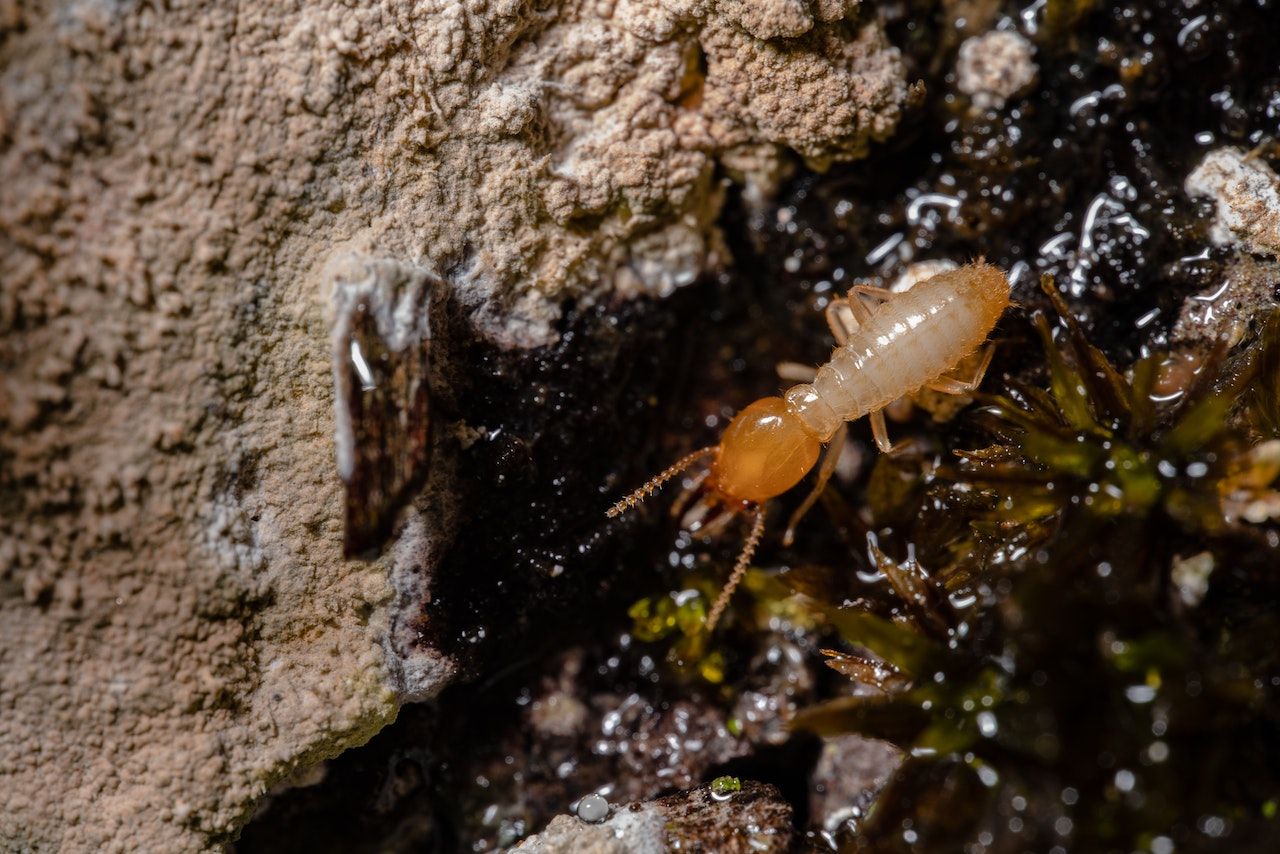
For homeowners in areas where service requests fluctuate by season, it is not unusual to see the same property need Bee and wasp control in one part of the year, mosquito control during humid stretches, and spider control when temperatures begin to dip. Pest pressure shifts, but the underlying principle stays the same: reduce access, remove shelter, and limit food.
What homeowners can handle, and where professional help changes the outcome
Many light spider issues can be improved by a disciplined routine of cleaning, web removal, storage correction, and entry point maintenance. If sightings are limited to a garage corner, a porch light area, or one basement zone, those steps can go a long way. Consistency matters more than intensity. A modest weekly effort usually beats one large effort followed by a month of neglect.
Professional help becomes more valuable when activity spreads, when spiders are appearing in bedrooms or living areas regularly, when webs return quickly after removal, or when the home has hard-to-reach architectural features. High vaulted ceilings, unfinished voids, dense exterior landscaping, and complex basements all make control harder. So do secondary pest issues.
A company such as Domination Extermination brings a different advantage beyond treatment materials. Experience helps separate a normal seasonal uptick from a structural pattern, and it helps identify when spider sightings are really a symptom of something else. In one home, the fix may be exterior lighting and web zone treatment. In another, the main culprit may be poor garage door sealing combined with insect activity around stored pet food. The visible spider is the same, but the strategy is not.
Seasonal timing makes a difference
Spider control often feels most urgent in late summer and fall because that is when many homeowners notice increased movement indoors. That timing is not random. As conditions shift outside, spiders and the insects they hunt start pressing toward protected areas. Waiting until sightings peak can still work, but earlier prevention usually produces smoother results.
Spring is a useful time for exterior cleanup, vegetation trimming, gutter clearing, and sealing repairs. Summer is ideal for managing lighting, moisture, and general insect activity around the home. Fall is when indoor inspections become especially important, particularly around basements, garages, attics, and storage zones. Winter tends to reveal which hidden spaces stayed active because those are the places where webs keep appearing despite lower outdoor pressure.
This rhythm matters because people often misread temporary improvement. A cold snap may reduce visible activity for a short time, but if egg sacs remain or prey persists inside the structure, the problem can rebound. Seasonality changes how spiders behave, not whether the house supports them.
A comfortable home usually comes from steady pressure, not dramatic fixes
There is a reason the most successful spider control plans look almost boring. They rely on repeated web removal, cleaner storage, drier utility spaces, repaired screens, sealed gaps, trimmed landscaping, and reduction of the insects that spiders feed on. None of those steps feels dramatic on its own. Together, they change the conditions that let spider activity become routine.
That steady approach is also what keeps homes feeling livable. Most people are not trying to create a sterile environment. They just want to stop finding spiders in the shower, in folded laundry, behind headboards, or drifting down from a ceiling corner in a room that should feel settled. Comfort is the real goal, and comfort comes from reducing surprise.
When homeowners treat spider control as part of overall home maintenance, results tend to last longer. A cleaner perimeter, better storage, proper moisture management, and broader pest control awareness all reinforce one another. Whether the immediate concern is spider control, ant control, termite control risk, rodent control in the basement, or even seasonal needs like Bee and wasp control Maple Shade homeowners often ask about, the same practical truth applies: the house becomes easier to live in when pests have fewer reasons to be there.
Domination Extermination
10 Westwood Dr, Mantua Township, NJ 08051
(856) 633-0304